
Jeep JK floor heat can make driving uncomfortable, even with the factory carpeting in place.
The 2007–2018 Jeep Wrangler JK marked a major leap forward in the Wrangler’s 4×4 capability. It also introduced the four-door Wrangler. Some within Jeep doubted its potential, but it quickly outsold the traditional two-door version.
Why the Wrangler JK Floor Gets Hot
One thing the Wrangler JK is notorious for is the amount of heat coming from the exhaust system on the driver’s side. Even with the factory carpeting in place, the amount of heat radiated upward easily penetrates the floor and heats things up to an uncomfortable level. Using FLIR technology, we document before-and-after results on our test Wrangler JK. We install Heatshield Armor exhaust insulation to reduce floor temperatures and improve comfort.
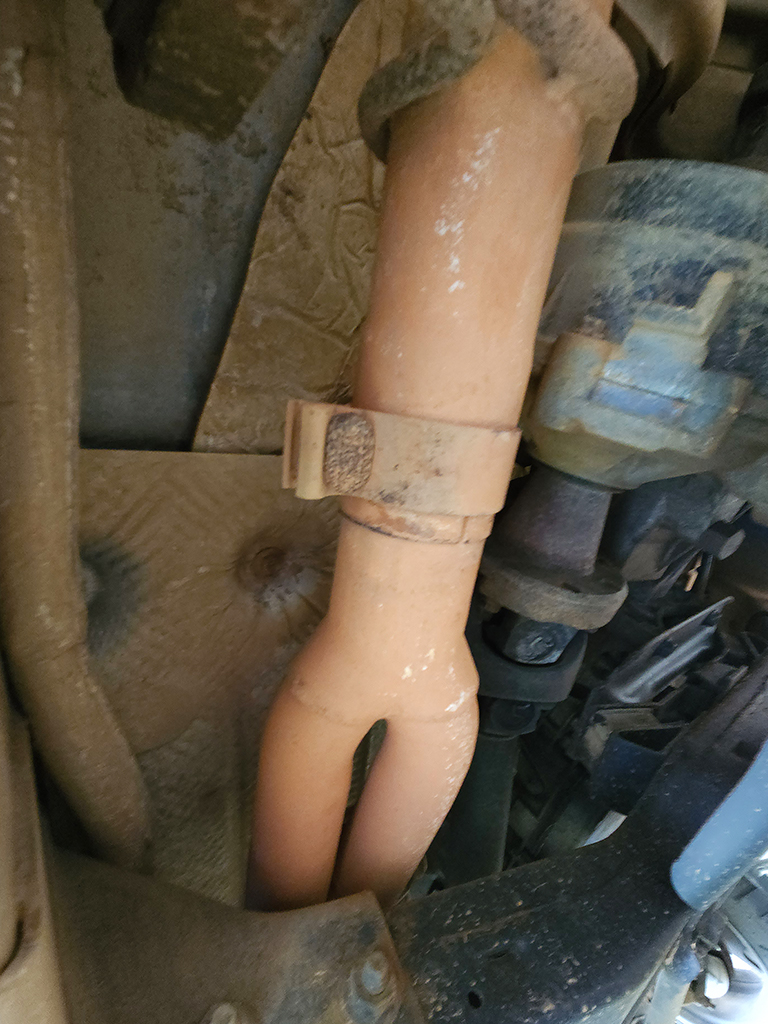
ABOVE: The main exhaust pipe for the Wrangler JK runs right under the driver’s side floorboard all the way to the back of the Jeep. You can see the factory heat hields in place to deflect heat away, but as the FLIR image will show next, these shields are largely ineffective for keeping the floor cool.
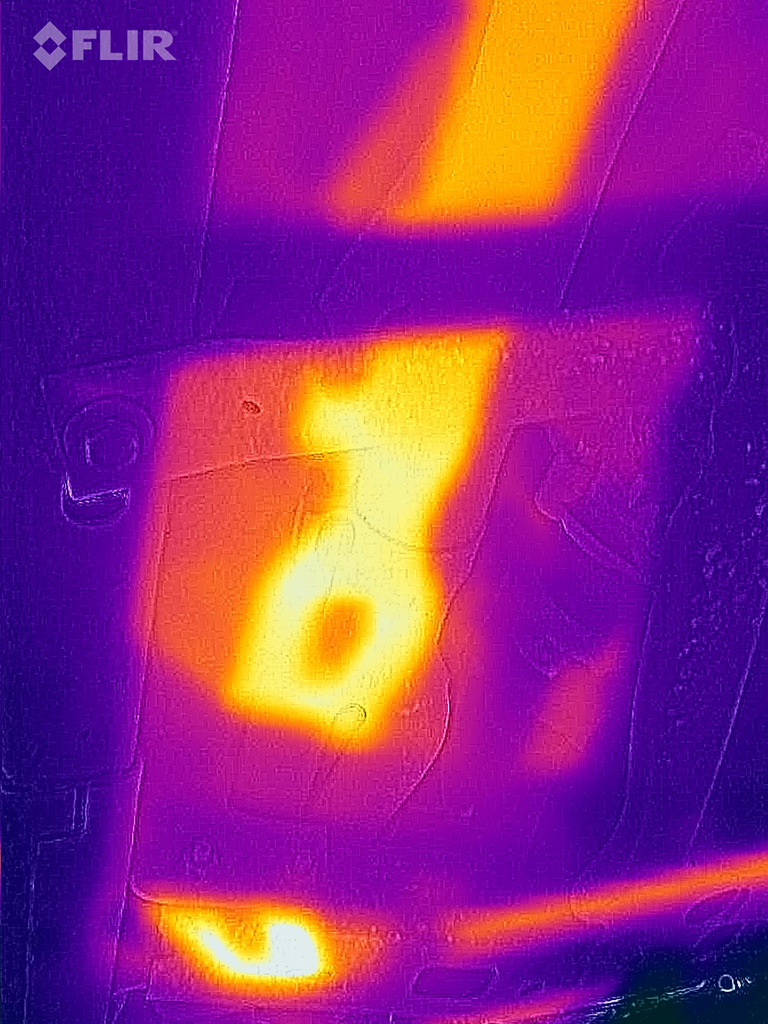
ABOVE: The brighter the color the hotter the temperature is what the FLIR image shows us. Here is that same exhaust pipe after the Jeep gets up to ttemperature from normal driving. All the heat is radiating upward into the floor and interior.
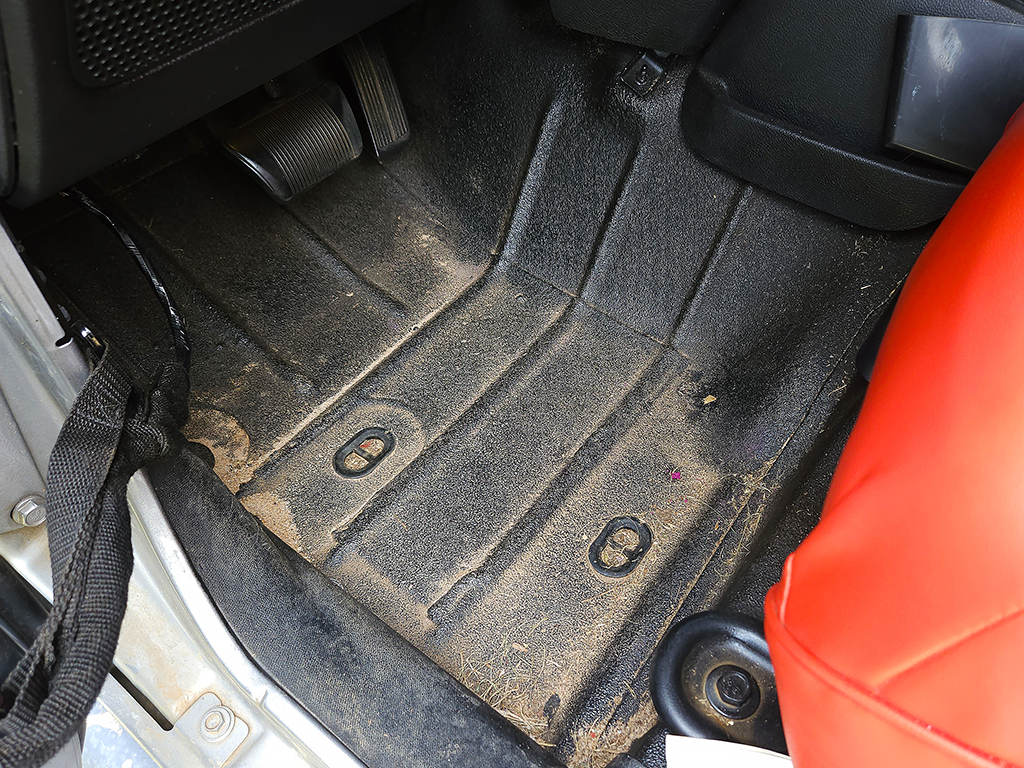
ABOVE: Here is the inside view of the driver’s floorboard in our test subject Jeep Wrangler JK. Many Jeep owners remove their factory carpet and apply a protective floor coating. This protects the metal and makes the interior easier to dry after wet adventures. With the carpet removed, Jeep JK floor heat becomes more noticeable, but heat can still enter the interior with the carpet installed.
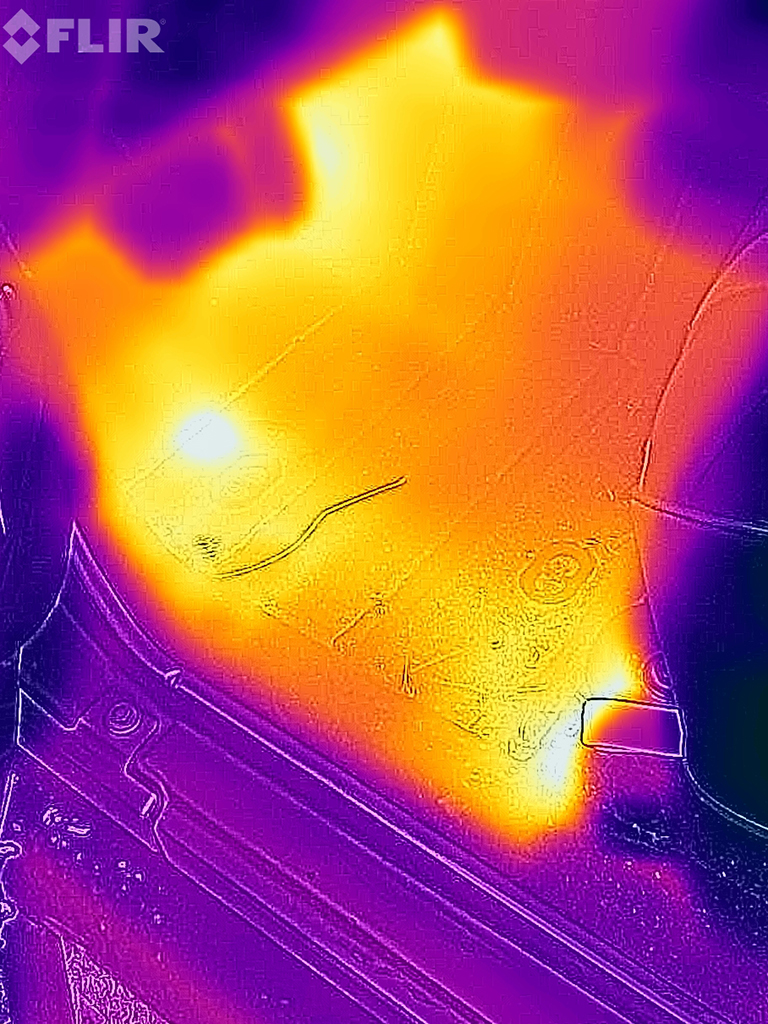
ABOVE: Here’s what the FLIR camera shows us for how hot the floor gets after normal driving. Good to note that two of the brightest hot spots are where your feet normally would be during driving.
Installing Heatshield Armor
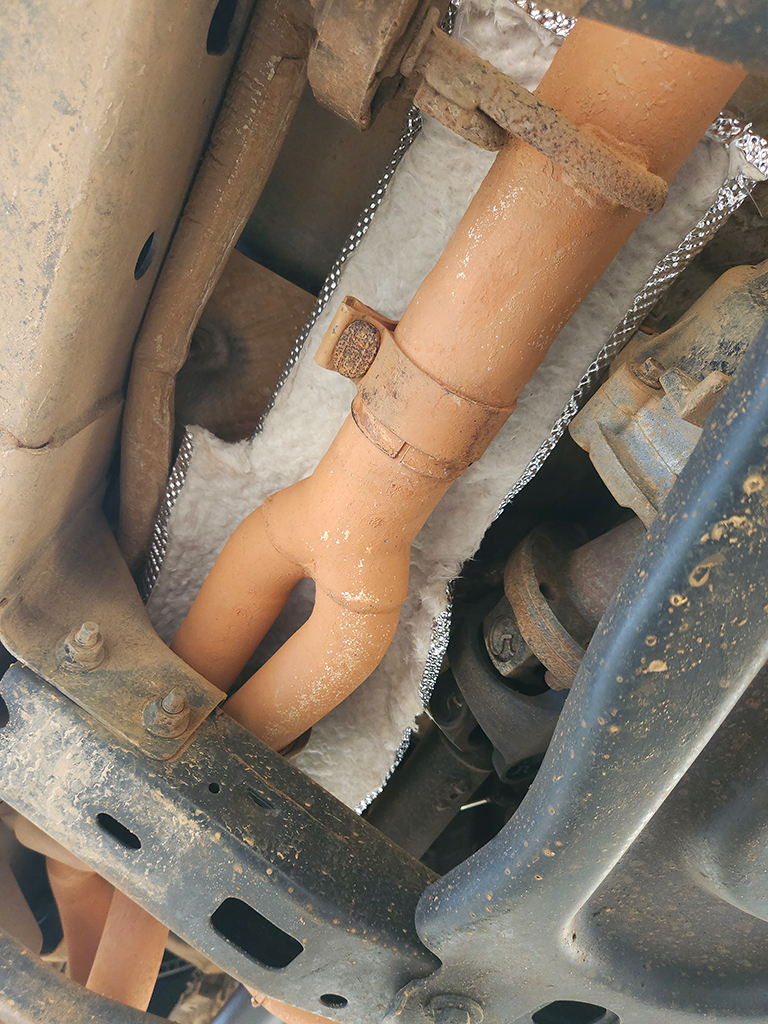
ABOVE: Heatshield Armor insulates the exhaust pipe, keeping the heat in and reducing the amount radiated upward by the pipe. Heatshield Armor insulates so efficiently that you must leave part of the pipe’s circumference uncovered. Fully enclosing the pipe can trap excessive heat. This can exceed the pipe’s maximum sustained temperature and cause deterioration. If yu frequently are driving your Jeep (or any other vehicle) through water you don’t have to worry. Heatshield Armor can be immersed without detriment and the exhust pipe heat it insulates will dry the material out as you drive.
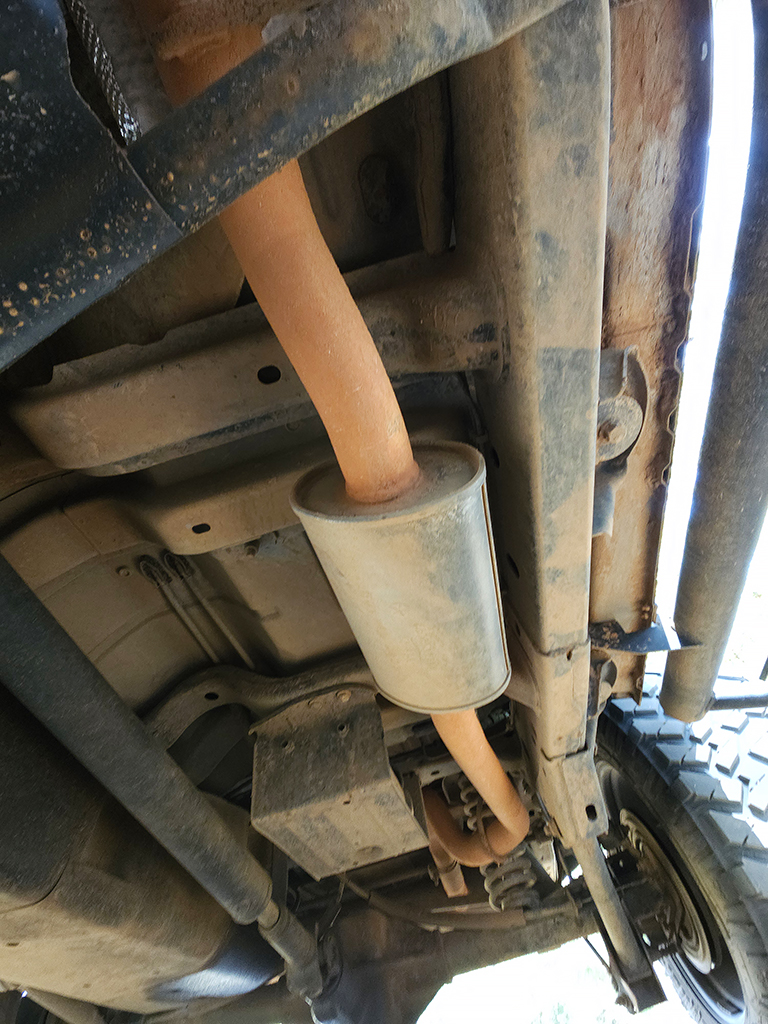
ABOVE: Past the driver’s area of the floor, the pipe and muffler run under the driver’s side passenger area and causes similar heat issues. This is where the Muffler Armor kit comes in handy. The kit includes precut pieces of Heatshield Armor for mufflers. These pieces simplify installation and reduce measuring and cutting.
Trimming and Securing the Insulation
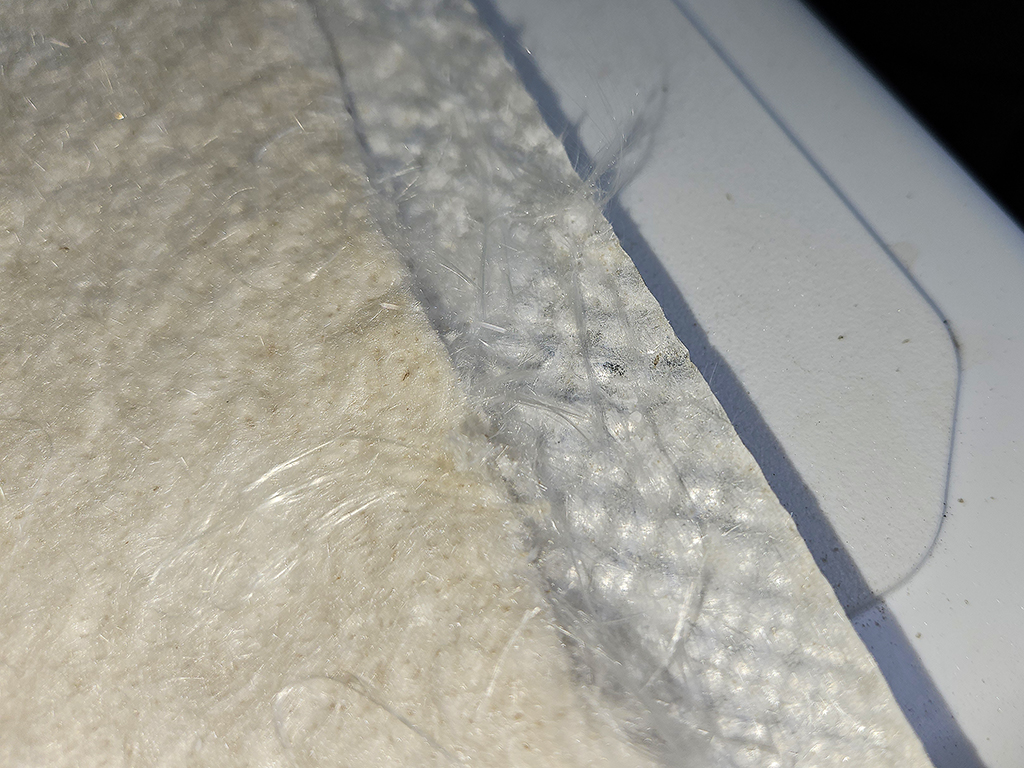
ABOVE: Heatshield Armor uses specially formulate BioCool insulation material to insulate heat efficiently up to 1800 degrees F constant heat and 2200 degrees F intermittent without breaking down and losing efficiency. It can be immersed in water and completely soaked without harm and will dry out from exhaust heat while still insulating as usual. Before installation, trim a small amount of BioCool material from the edge. Then fold the foil backing over to seal the ends. This helps limit water entry and shorten drying time.
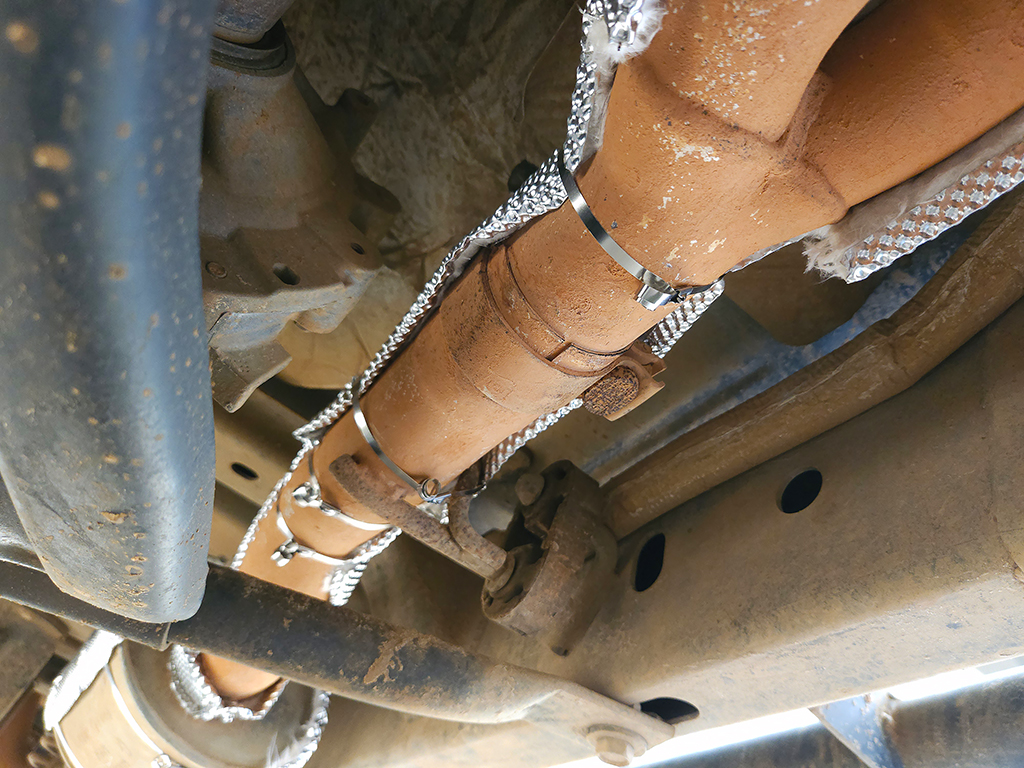
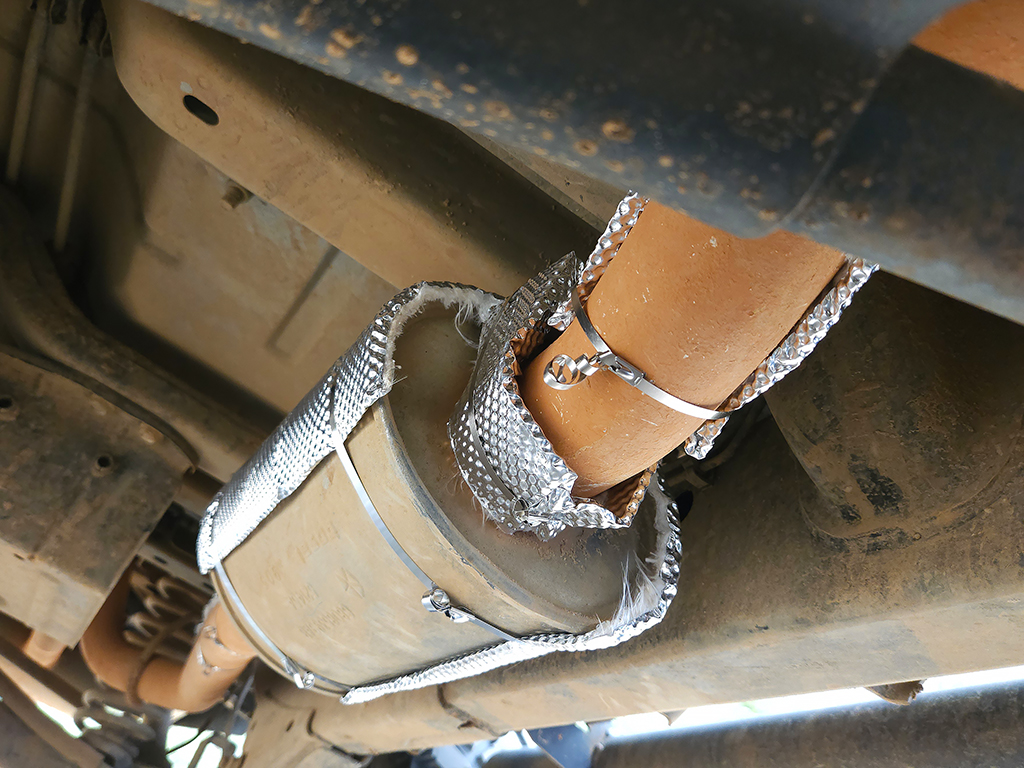
ABOVE: Here’s how Heatshield Armor looks once installed. All Heatshield Armor kits come with high-temp stainless steel ties for securing the insulation properly and easily. All you need is pair of pliers to pull the tie tight and cutters to trim away any excess.Why not fully wrap the pipe? Heatshield Armor insulates so efficiently that you must leave part of the pipe exposed to release heat. Fully enclosing it can trap excessive heat and damage the tubing. This installation reduces radiation toward the floor while allowing the exposed section to dissipate heat.
Final Results
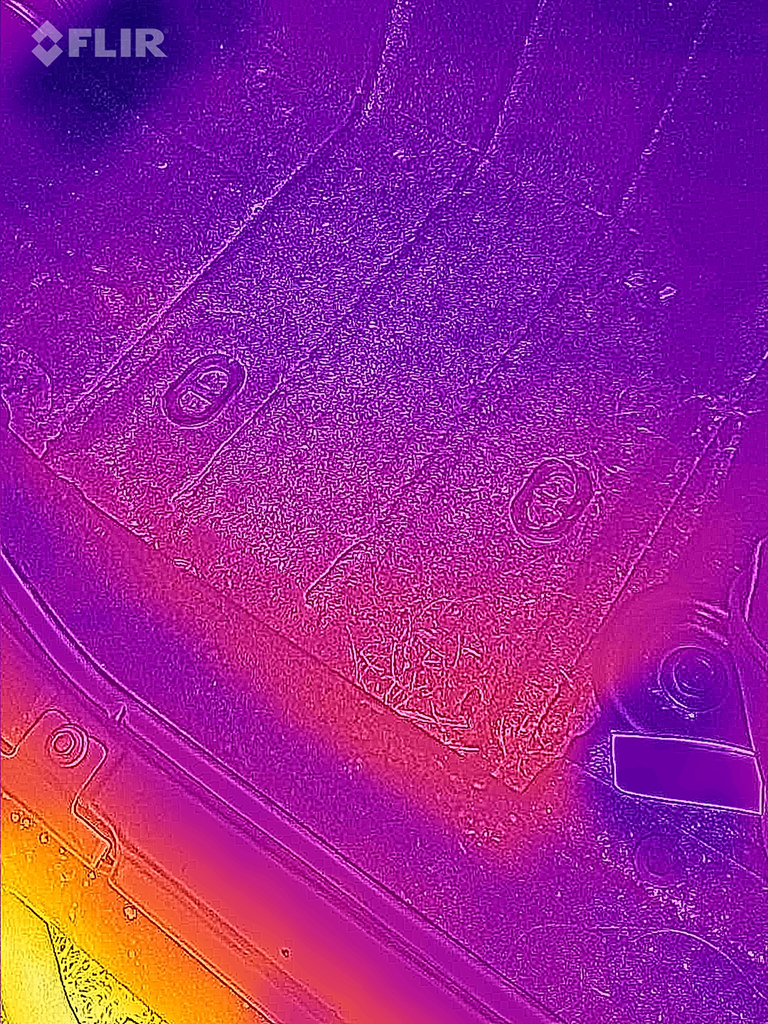
ABOVE: The FLIR shows all! After Heatshield Armor installation, here’s how the driver’s section of the floorboard looks with the exhaust pipe underneath insulated and upward radiated heat blocked from the floor. No more bright hot spots where your feet would be, and overall a much cooler floor.
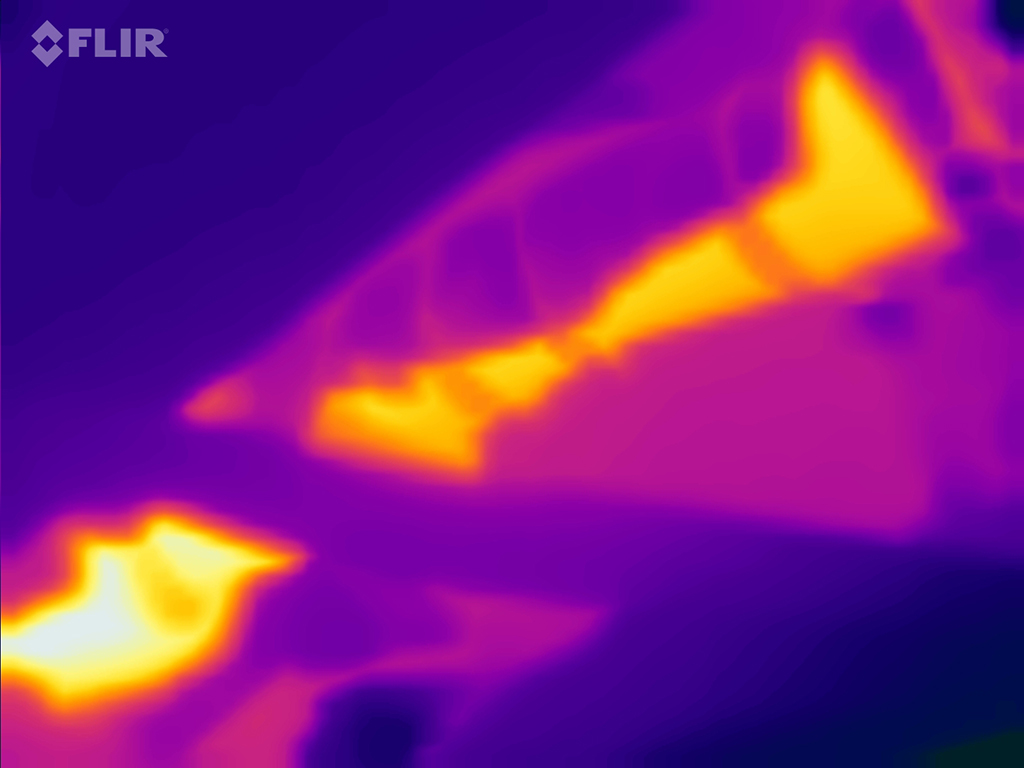
ABOVE: From underneath here’s how everything looks to the FLIR camera. The lower part of the exhaust system is bright/hot but it’s the part opposite the floor so that heat isn’t being radiated upward into the floor. The opposite side of the exhaust covered in Heatshield Armor is cool as is the floor above it. Mission accomplished, our subject Jeep Wrangler JK now has a much cooler floor so no more hot feet for driver and driver’s side passenger, plus the added benefit of lower interior temperatures.
Edited by William Schwartz